






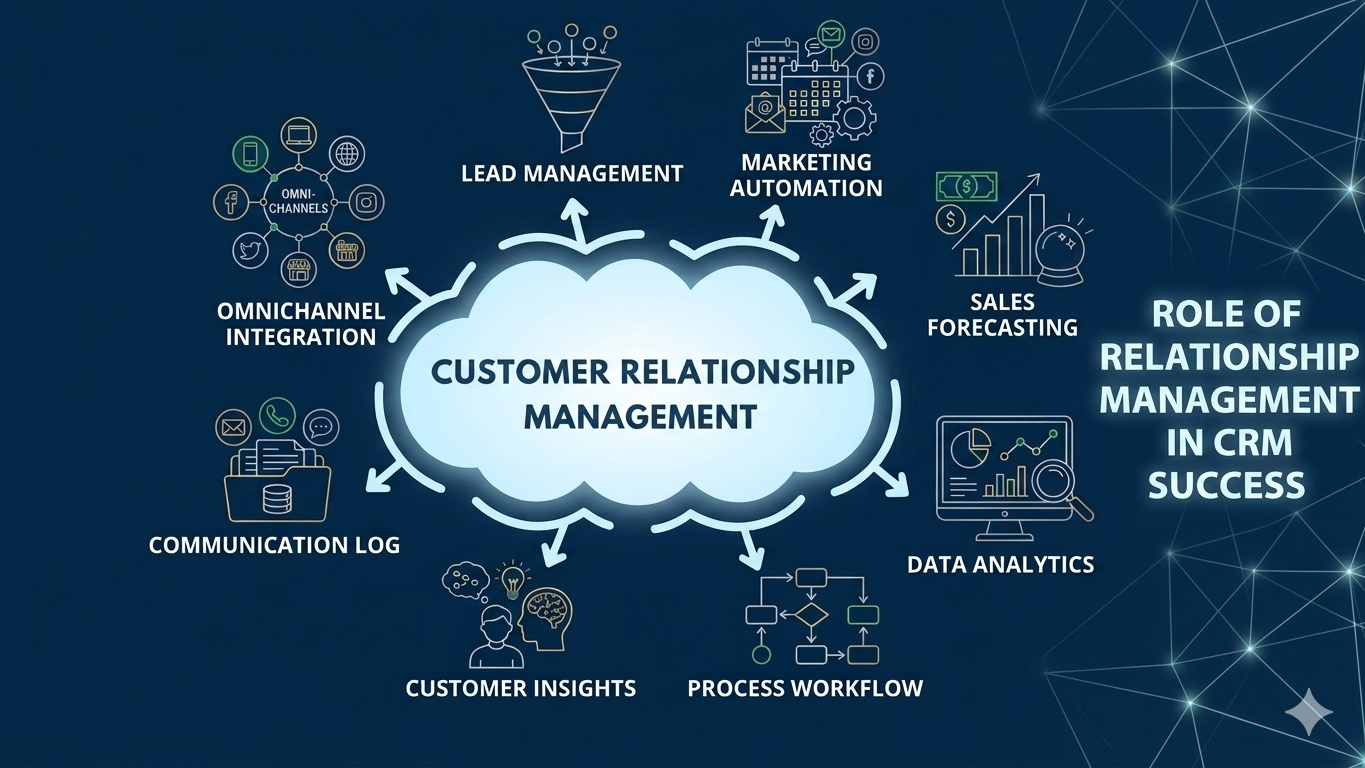
The Role of Relationship Management in CRM Success
The Role of Relationship Management in CRM Success
In today’s competitive business environment, customer expectations are higher than ever. Businesses are no longer judged solely on their products or services but on the quality of relationships they build with their customers. This is where Customer Relationship Management (CRM) systems become essential. At the heart of every successful CRM strategy lies strong relationship management, which helps businesses create meaningful and long-lasting customer connections.
What is Relationship Management in CRM?
Relationship management in CRM refers to the process of managing and analyzing customer interactions throughout the entire lifecycle. It focuses on understanding customer needs, preferences, and behavior to deliver personalized experiences. A well-implemented CRM system allows businesses to store customer data, track communication history, and ensure that every interaction adds value.
Centralized Customer Data for Better Insights
One of the key benefits of relationship management is the ability to centralize customer information. CRM systems bring all customer data into a single platform, making it easily accessible to sales, marketing, and support teams. This unified view helps businesses understand customer journeys and make informed decisions.
With complete customer insights, teams can provide more relevant solutions, improve communication, and ensure consistency across all touchpoints. This not only enhances customer satisfaction but also builds trust and credibility.
Enhancing Customer Engagement Through Personalization
Modern customers expect personalized experiences, and relationship management makes this possible. By leveraging CRM data, businesses can segment their audience and tailor communication based on individual preferences and behaviors.
Personalized emails, targeted campaigns, and customized offers make customers feel valued and understood. This level of engagement increases conversion rates and strengthens the emotional connection between the brand and its customers.
Automation for Consistent Communication
Another important aspect of relationship management in CRM is automation. CRM tools help automate routine tasks such as follow-ups, reminders, and lead nurturing processes. Automation ensures that no opportunity is missed and that every customer receives timely communication.
This consistency not only improves efficiency but also enhances the overall customer experience. Businesses can maintain regular contact without overwhelming their teams, allowing them to focus on building stronger relationships.
Improving Customer Retention
Customer retention is a major factor in long-term business success. Relationship management helps businesses stay connected with their existing customers and address their needs proactively. CRM systems enable timely follow-ups, quick issue resolution, and ongoing engagement.
When customers feel heard and valued, they are more likely to remain loyal to the brand. Strong relationships lead to repeat business, positive word-of-mouth, and increased customer lifetime value.
Data-Driven Decision Making
CRM systems provide valuable analytics and insights that support better decision-making. Businesses can track customer behavior, measure campaign performance, and identify trends. These insights help in refining strategies and improving overall performance.
By understanding what works and what doesn’t, businesses can continuously optimize their approach and deliver better customer experiences.
Better Team Collaboration
Relationship management also improves collaboration across different departments. With shared access to customer data, sales, marketing, and support teams can work together more effectively. This ensures a seamless and consistent experience for customers at every stage of their journey.
Improved coordination leads to faster responses, better service quality, and higher customer satisfaction.
Conclusion
Relationship management is the foundation of CRM success. It goes beyond managing data and focuses on building meaningful connections with customers. By centralizing information, enabling personalization, automating processes, and leveraging insights, businesses can create exceptional customer experiences.
In a world where customer loyalty drives growth, investing in strong relationship management is no longer optional—it is essential for achieving long-term success.